
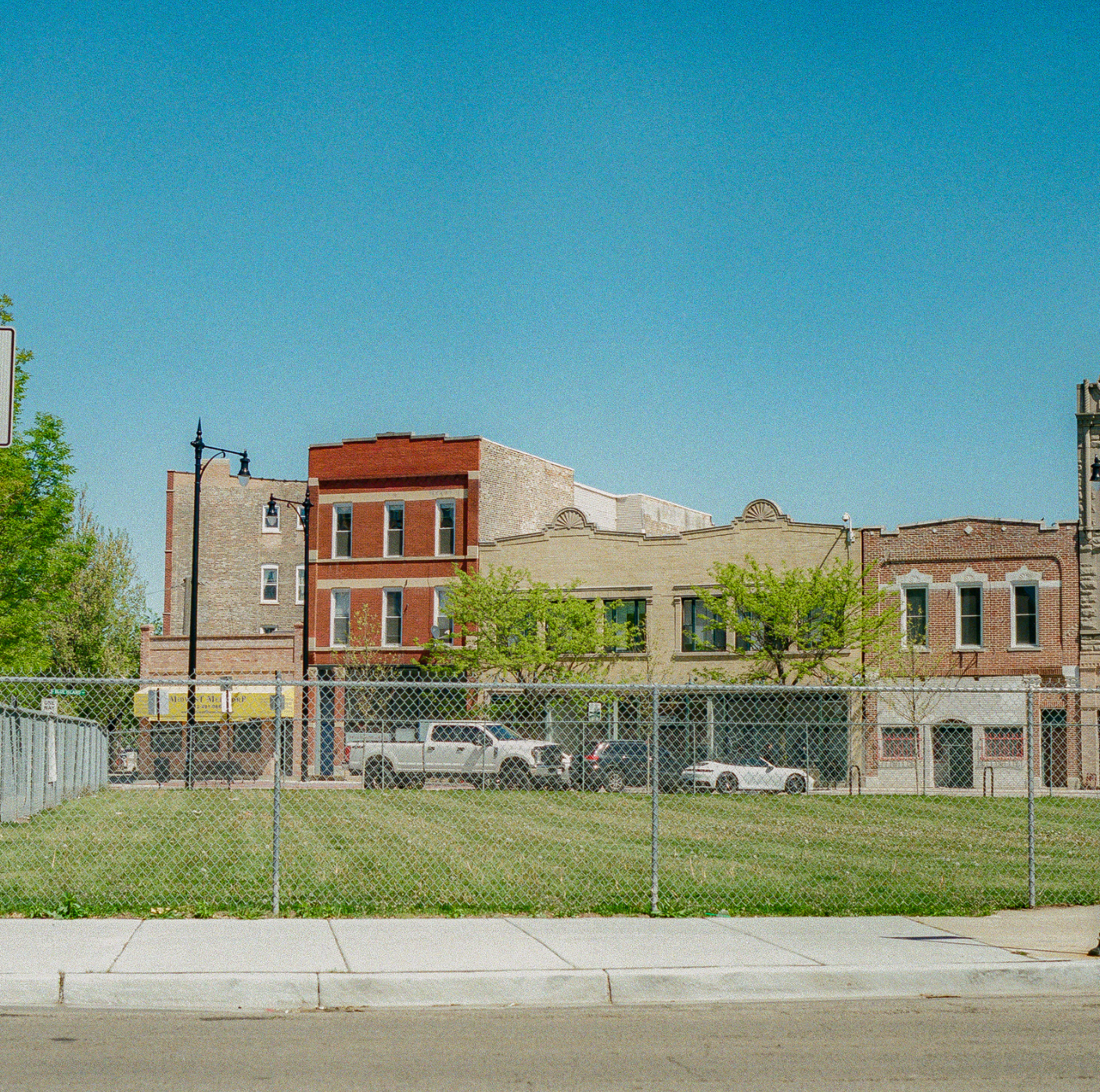
Buying development land in Quebec can offer significant opportunities for real estate developers and investors. However, an attractive purchase price and a strategic location do not necessarily guarantee a financially viable development project.
Before acquiring vacant land, commercial development land, or property intended for residential or mixed-use development, buyers must carefully evaluate zoning regulations, permitted building density, environmental conditions, infrastructure requirements, municipal fees, and legal restrictions.
Real estate development due diligence in Quebec involves much more than verifying the property’s asking price. It requires understanding what can legally be built, identifying potential risks, and assessing the project’s financial feasibility.
Here are 10 essential due diligence checks every real estate developer and investor should consider before buying development land in Quebec.
1. Verify Zoning and Permitted Uses
The first question should not be “How much does this land cost?” but rather:
“What am I legally allowed to build on this property?”
Before purchasing, verify with the municipality:
- Permitted uses: residential, commercial, industrial, or mixed-use.
- Maximum building height.
- Permitted density and gross floor area.
- Building setbacks and site coverage restrictions.
- Parking requirements.
- Special permits or municipal approvals.
It is equally important to review the applicable regional land-use planning framework.
Important: A property’s advertised development potential does not constitute municipal approval.
2. Examine Property Titles
Before acquiring land, have a notary review the property’s title history.
This examination helps establish:
- The legal ownership of the property.
- Existing mortgages or other registered charges.
- Rights of way and easements.
- Restrictions affecting property use.
- Potential irregularities in the chain of title.
For complex transactions, a preliminary title review before submitting a Promise to Purchase can help identify significant risks early in the process.
3. Identify Easements and Servitudes
An easement, known as a servitude under Quebec civil law, can substantially reduce a property’s usable area.
For example, a neighbouring property owner may have a legal right to cross the land, or a utility company may have rights to maintain infrastructure on it.
Two important legal concepts are:
Dominant land (fonds dominant): The property benefiting from the servitude.
Servient land (fonds servant): The property subject to the servitude.
Before purchasing, examine the nature, scope, and legal implications of existing servitudes through the Quebec Land Register and relevant legal documents.
Potential claims arising from long-term possession, including acquisitive prescription, may also warrant investigation.
4. Review the Certificate of Location
A Certificate of Location (certificat de localisation), prepared by a Quebec land surveyor, provides important information about the property’s physical and legal status.
It may identify:
- Encroachments.
- Easements and servitudes.
- Non-compliant structures.
- Regulatory restrictions.
- Flood zones and other constraints.
For development land, additional documents may be necessary, including topographical surveys, site plans, and specialized engineering assessments.
A 30,000-square-foot lot does not necessarily provide 30,000 square feet of usable development area.
5. Investigate Environmental Conditions
Soil contamination can represent one of the most significant financial risks in commercial land acquisitions.
Before purchasing, investigate:
- Historical land uses.
- Previous industrial or commercial activities.
- Available environmental assessments.
- Potential soil and groundwater contamination.
- Environmental remediation obligations.
Depending on the property’s history and circumstances, Phase I and Phase II Environmental Site Assessments, or additional investigations, may be necessary.
If the seller provides an existing environmental report, the buyer should verify whether they are entitled to rely on it.
A reliance letter from the environmental consultant may be required.
Unexpected remediation costs can turn a promising investment into a financially challenging development project.
6. Check Flood Zones and Natural Constraints
Publicly available government and municipal maps can reveal development restrictions that may not be visible during a property visit.
Review potential exposure to:
- Flood zones.
- Landslide-prone areas.
- Wetlands and watercourses.
- Environmental protection zones.
- Other construction restrictions.
Because maps and regulations may change, the information should be verified with the appropriate authorities.
7. Assess Infrastructure and Construction Requirements
Vacant land is not necessarily ready for development.
Before purchasing, verify the availability and capacity of:
- Water and sewer connections.
- Electricity and utilities.
- Road access.
- Stormwater drainage systems.
- Suitable soil-bearing conditions.
- Retaining walls, where required.
Topography, geotechnical conditions, and infrastructure requirements can significantly affect construction costs.
The purchase price represents only one component of the total development cost.
8. Understand Municipal Fees and Parkland Contributions
Certain subdivision and development projects may trigger municipal contributions.
Under Quebec legislation, municipalities may, in circumstances established by law and municipal regulations, require contributions for parks, playgrounds, or natural spaces.
These contributions may take the form of:
- A financial payment.
- A transfer of land.
- The establishment of a servitude.
The general statutory limit is 10% of the applicable site’s area or value, subject to legal exceptions.
Before purchasing, ask:
Does a parkland contribution apply? How much will it cost? When is it payable? Who will be responsible for paying it?
These expenses can directly affect a project’s financial feasibility.
9. Clarify Applicable Taxes
Land transactions in Quebec may be subject to the Goods and Services Tax (GST) and Quebec Sales Tax (QST).
Tax treatment depends on several factors, including:
- The nature of the property.
- The seller’s status.
- The property’s historical and intended use.
- The circumstances surrounding the transaction.
Land subdivision, corporate ownership, and commercial activities may affect tax treatment, but none of these factors automatically determines whether a particular transaction is taxable.
A qualified tax professional should review the transaction before the buyer commits.
Buyers should also budget for real estate transfer duties and other applicable closing costs.
10. Understand Legal Warranties and Protect Your Promise to Purchase
Under the Civil Code of Québec, property sales generally involve two important legal warranties:
Warranty of ownership: Relates to the seller’s legal rights concerning the property.
Warranty of quality: Provides protection against certain hidden defects.
Within the limits established by law, parties may modify or exclude certain warranties.
However, purchasing property without legal warranty does not automatically eliminate every potential liability of the seller.
Understanding the implications of these contractual provisions is essential.
A well-structured Promise to Purchase should include appropriate due diligence conditions covering:
- Property titles and servitudes.
- Zoning and municipal compliance.
- Environmental assessments.
- Technical and financial feasibility.
- Financing, where applicable.
Due diligence deadlines should be clearly established and provide sufficient time to complete the necessary investigations.
Conclusion: Invest in the Property’s Real Potential, Not Just the Land
A successful real estate investment begins long before the deed of sale is signed.
A property’s value depends not only on its location and size but also on what can legally, technically, and financially be developed on it.
Comprehensive due diligence helps investors identify risks, anticipate expenses, and make informed acquisition decisions.
At CHIA+, we bridge the gap between real estate investors, developers, sellers, buyers, and specialized professionals. Our multidisciplinary understanding allows us to speak the language of different experts, facilitate communication, align stakeholders, and coordinate efforts toward a common goal.
Our mission is to bring the right people together, keep everyone on the same page, and move complex real estate transactions forward collaboratively.
Considering a Land Acquisition in Quebec?
Let’s discuss your project and the essential factors to evaluate before making your investment.
CHIA+ | CHIA REAL ESTATE INC.
Commercial Real Estate Brokerage | Development Land | Real Estate Investments
Disclaimer: This article is intended for general educational purposes only and does not constitute legal, tax, environmental, or technical advice. Every transaction requires professional assessment based on its specific circumstances.