
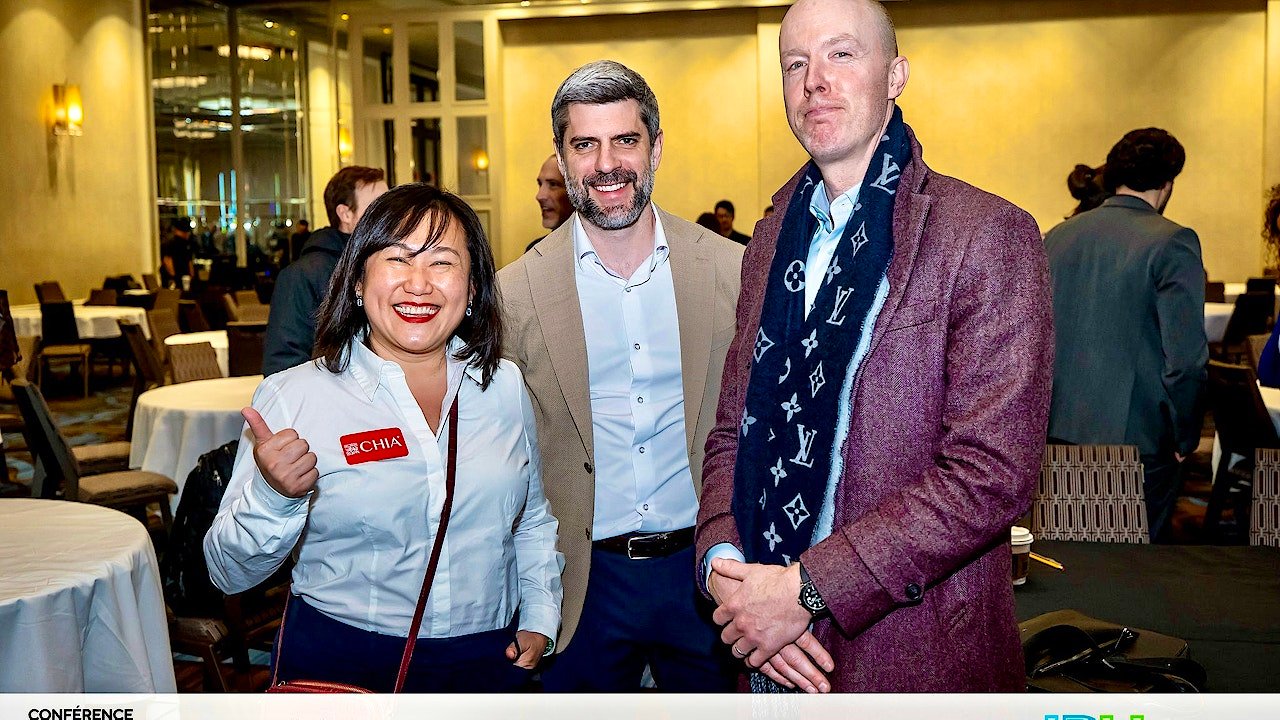
As a member of the Institut de développement urbain du Québec, I regularly attend industry events representing CHIA REAL ESTATE.
This one stood out.
Not because of the number of attendees, but because of who was in the room.
Alongside developers and private investors were many of Québec’s key affordable, social, and community housing stakeholders, including Société d’habitation du Québec, Office municipal d’habitation de Montréal, Bâtir son quartier, UTILE, Fonds de solidarité FTQ and Fondaction.
A panel also brought together major federal players, including Canada Mortgage and Housing Corporation, Canada Infrastructure Bank, Canada Lands Company and Maisons Canada.
My biggest takeaway?
Financing is no longer the primary obstacle.
The programs exist. The capital exists. The willingness to collaborate exists.
The real challenge is aligning the timelines, priorities, and decision-making processes of municipalities, public agencies, lenders, developers, and community operators.
As a commercial real estate broker working with developers, landowners, and investors, I increasingly see successful projects requiring more than financial viability. They must also demonstrate a meaningful contribution to housing needs and community outcomes.
The future of real estate development in Québec will likely be shaped by hybrid models where social impact and financial performance reinforce one another rather than compete.
That was the strongest signal I took away from this event.
Photo credit: IDU Québec